Published
【Life】Prayer Plant Care Guide: How to Keep Your Maranta Happy and Healthy
A complete guide to caring for prayer plants (Maranta leuconeura) — covering light, watering, humidity, soil, propagation, and common problems.
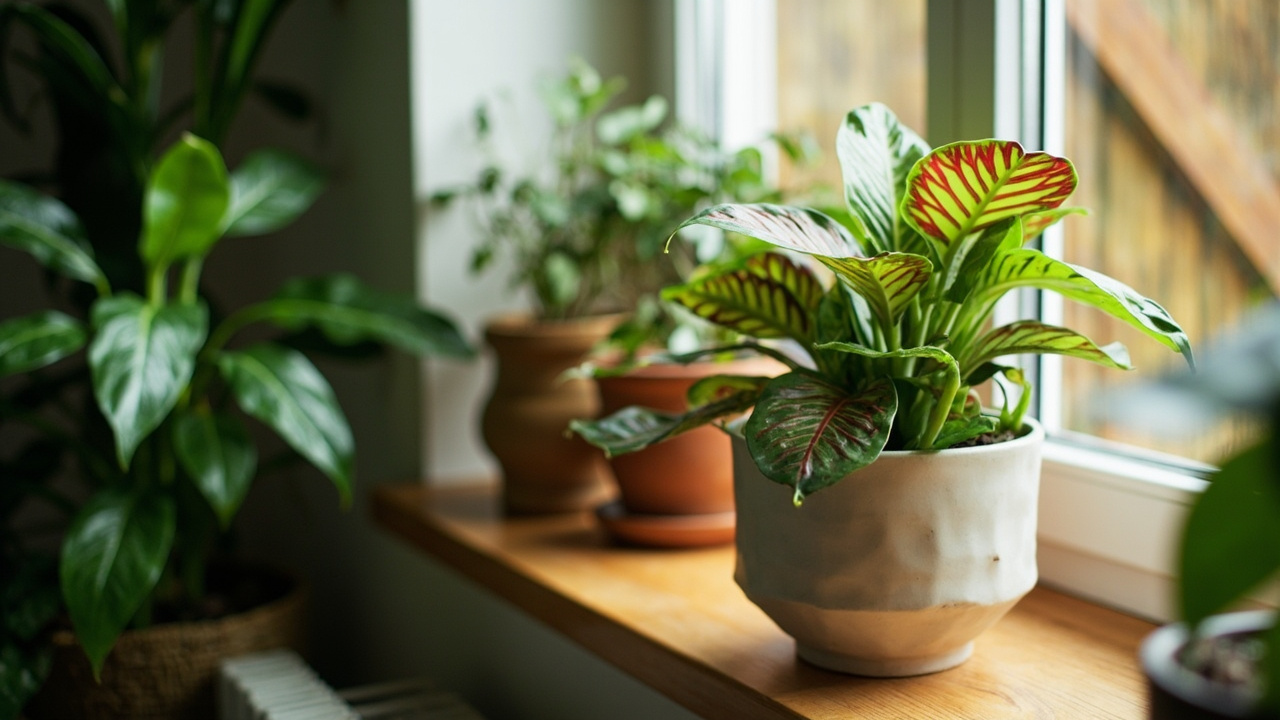
Prayer Plant Care Guide: How to Keep Your Maranta Happy and Healthy
The prayer plant (Maranta leuconeura) is one of the most beloved houseplants, famous for its stunning patterned leaves that fold upward at night — as if in prayer. Native to the tropical rainforests of Central and South America, this beautiful plant brings a touch of the jungle into any home. But because it comes from a humid, shaded environment, it does need a bit of extra attention compared to your average succulent.
Don't worry though — once you understand its needs, the prayer plant is a rewarding and surprisingly forgiving companion. Here's everything you need to know.
Light: Bright, Indirect Is Best
Prayer plants thrive in bright, indirect light. Think of the dappled sunlight that filters through a rainforest canopy. A spot near an east- or north-facing window is ideal. Avoid direct sunlight, which can scorch the leaves and cause the beautiful patterns to fade. If the leaves start curling or losing color, it might be getting too much sun.
On the flip side, too little light will slow growth and make the leaves less vibrant. If you don't have a bright spot, a grow light can help.
Watering: Keep It Consistently Moist
The golden rule for prayer plants: never let the soil completely dry out, but never let it sit in water either. Water when the top inch of soil feels slightly dry to the touch. Use room-temperature water — cold water can shock the roots.
During spring and summer (the growing season), you'll water more frequently, roughly every 3–5 days. In autumn and winter, cut back slightly, waiting until the top inch is dry.
Pro tip: Prayer plants are sensitive to chemicals in tap water. If you notice brown leaf tips, try using filtered water, rainwater, or tap water that's been left out overnight.
Humidity: The Higher, the Better
This is where many plant parents struggle. Prayer plants love humidity — ideally 50% or higher. In their native habitat, humidity levels are consistently high. In most homes, especially during winter with heating on, the air is far too dry.
Here are some ways to boost humidity:
Place a humidifier near the plant
Group it with other plants to create a microclimate
Use a pebble tray with water beneath the pot (make sure the pot doesn't sit directly in water)
Mist the leaves occasionally (though this is a temporary fix)
If the leaf edges turn brown and crispy, low humidity is usually the culprit.
Soil: Well-Draining and Slightly Acidic
Prayer plants prefer a lightweight, well-draining potting mix that retains moisture without becoming waterlogged. A mix of regular potting soil with perlite and a handful of orchid bark or peat moss works well. The ideal pH is slightly acidic, around 5.5–6.0.
Avoid heavy, compacted soils that hold too much water — root rot is one of the most common issues with prayer plants.
Temperature: Keep It Warm
Prayer plants prefer temperatures between 18–27°C (65–80°F). They are not cold-tolerant at all — anything below 15°C (60°F) can cause damage. Keep them away from cold drafts, air conditioning vents, and heating radiators, as sudden temperature changes stress the plant.
Fertilizing: Feed During Growing Season
During spring and summer, feed your prayer plant every two weeks with a diluted balanced liquid fertilizer (half strength is best). Stop fertilizing in autumn and winter when growth slows down. Over-fertilizing can cause brown leaf tips and salt buildup in the soil.
Repotting: Every 1–2 Years
Prayer plants don't mind being slightly root-bound, but they'll benefit from repotting every 1–2 years. Choose a pot that's just one size larger and refresh the soil. The best time to repot is in spring when the plant is entering its active growing phase.
Propagation: Easy by Division or Stem Cuttings
One of the best things about prayer plants is how easy they are to propagate. The two main methods:
Division: When repotting, gently separate the plant into smaller clumps, each with its own roots. Pot them up individually.
Stem cuttings: Cut a stem with at least one node and a few leaves. Place it in water or moist soil. Roots typically develop within 2–4 weeks.
Common Problems and Solutions
Brown, crispy leaf edges: Low humidity or underwatering. Increase humidity and check your watering schedule.
Yellowing leaves: Overwatering is the most common cause. Check that the pot has drainage holes and the soil isn't soggy.
Curling leaves: Usually a sign of underwatering, low humidity, or too much direct sun.
Fading leaf patterns: Not enough light. Move to a brighter spot with indirect light.
Spider mites: These tiny pests love dry conditions. Increase humidity and treat with neem oil or insecticidal soap.
Why We Love Prayer Plants
Beyond their gorgeous foliage, prayer plants have personality. Their leaves move throughout the day — folding up at night and spreading out in the morning. This rhythmic movement, called nyctinasty, is a reminder of the incredible diversity of plant behavior.
With a little attention to humidity, watering, and light, your prayer plant will reward you with years of vibrant, living art. It's the perfect plant for anyone who wants a touch of the tropics at home.