Published
【Life】Chili Pepper Care Guide: Growing Spicy Peppers at Home
A complete beginner's guide to growing chili peppers — from choosing varieties to harvesting your own spicy crop.
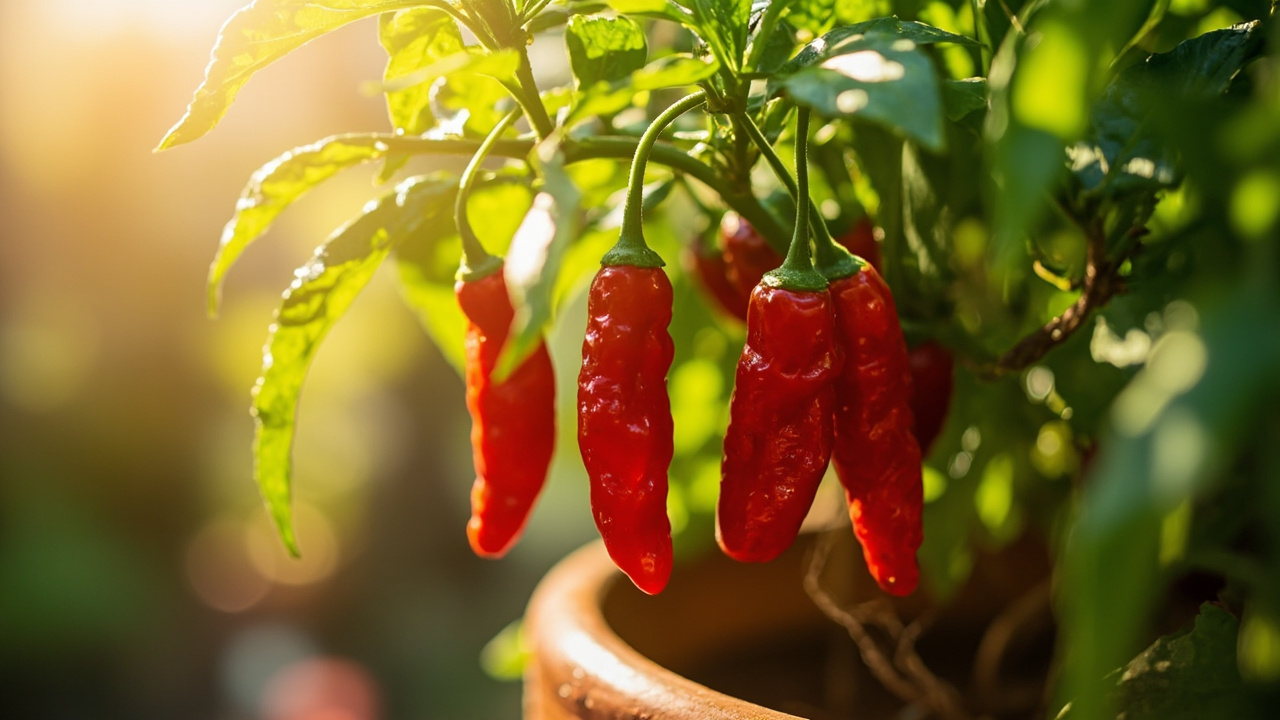
Choosing Your Chili Variety
Growing chili peppers at home is incredibly rewarding. The Scoville scale measures heat from zero (bell pepper) to over two million (Carolina Reaper). For beginners, Jalapeño (2,500-8,000 SHU) and Cayenne (30,000-50,000 SHU) are forgiving and productive. If you love heat, try Habanero (100,000-350,000 SHU) or Thai Bird's Eye (50,000-100,000 SHU). For something milder, Shishito and Poblano are delicious and easy.
Starting from Seed
Start seeds indoors 8-10 weeks before the last frost. Chili seeds need 25-30°C to germinate. Use a heat mat or warm window. Sow 0.5 cm deep in moist seed-starting mix. Germination takes 7-21 days. Once seedlings have two sets of true leaves, transplant into individual pots. Harden off over 7-10 days before moving outdoors.
Sunlight and Temperature
Chili peppers need 6-8 hours of direct sunlight daily. Ideal temperature is 20-30°C daytime, above 15°C at night. Below 10°C plants struggle and drop flowers. In cool climates, grow in pots to bring indoors when cold. A sunny south-facing window or grow light works well indoors.
Soil and Potting
Use well-draining potting mix — chilies hate soggy roots. Add perlite or coarse sand for drainage. Ideal pH is 6.0-6.8. Containers should be at least 20-25 cm in diameter with drainage holes. Good drainage is essential — standing water kills faster than anything else.
Watering
Water when the top 2-3 cm of soil feels dry. In hot weather every 1-2 days, cooler periods every 3-4 days. Water deeply until it drains from the bottom. Consistent moisture is key — wild swings between dry and soaking cause blossom drop and cracked fruit.
Feeding and Fertilizing
Feed with balanced liquid fertilizer (10-10-10) every two weeks once flowers appear. Switch to higher potassium and phosphorus (5-10-10) when fruits form to promote flowering over leafy growth. Avoid excess nitrogen — it gives lush leaves but few peppers.
Pruning and Maintenance
Pinch the growing tip at 20 cm to encourage bushier growth. Remove yellowing leaves. Support tall varieties with stakes. Regular harvesting encourages more production.
Common Problems
Aphids and whiteflies: spray neem oil or insecticidal soap. Blossom drop: usually temperature stress or irregular watering. Sunscald: provide light shade in extreme heat. Root rot: improve drainage. Slow growth: needs more warmth or sunlight.
Harvesting
Most peppers are ready 60-90 days after transplanting. Pick green or wait for color change — red, orange, or yellow peppers are sweeter and more complex. Cut with scissors, leaving a short stem. Wear gloves with hot varieties and avoid touching your eyes.
In warm climates, chili plants can survive outdoors year-round. In cooler areas, prune back by half and overwinter indoors in a sunny spot. With care, your plant can produce for several years. Happy growing!