Published
A complete guide to growing Monstera: How to create a green healing space at home
Monstera deliciosa is a popular indoor foliage plant, a favorite of many plant lovers due to its unique lobed leaves and low maintenance requirements. Whether you are a novice or an experienced plant lover, Monstera can easily integrate into your home environment and add a touch of nature. This article will comprehensively introduce the cultivation methods, daily care and common problems of Monstera, helping you to easily cultivate healthy and beautiful Monstera.
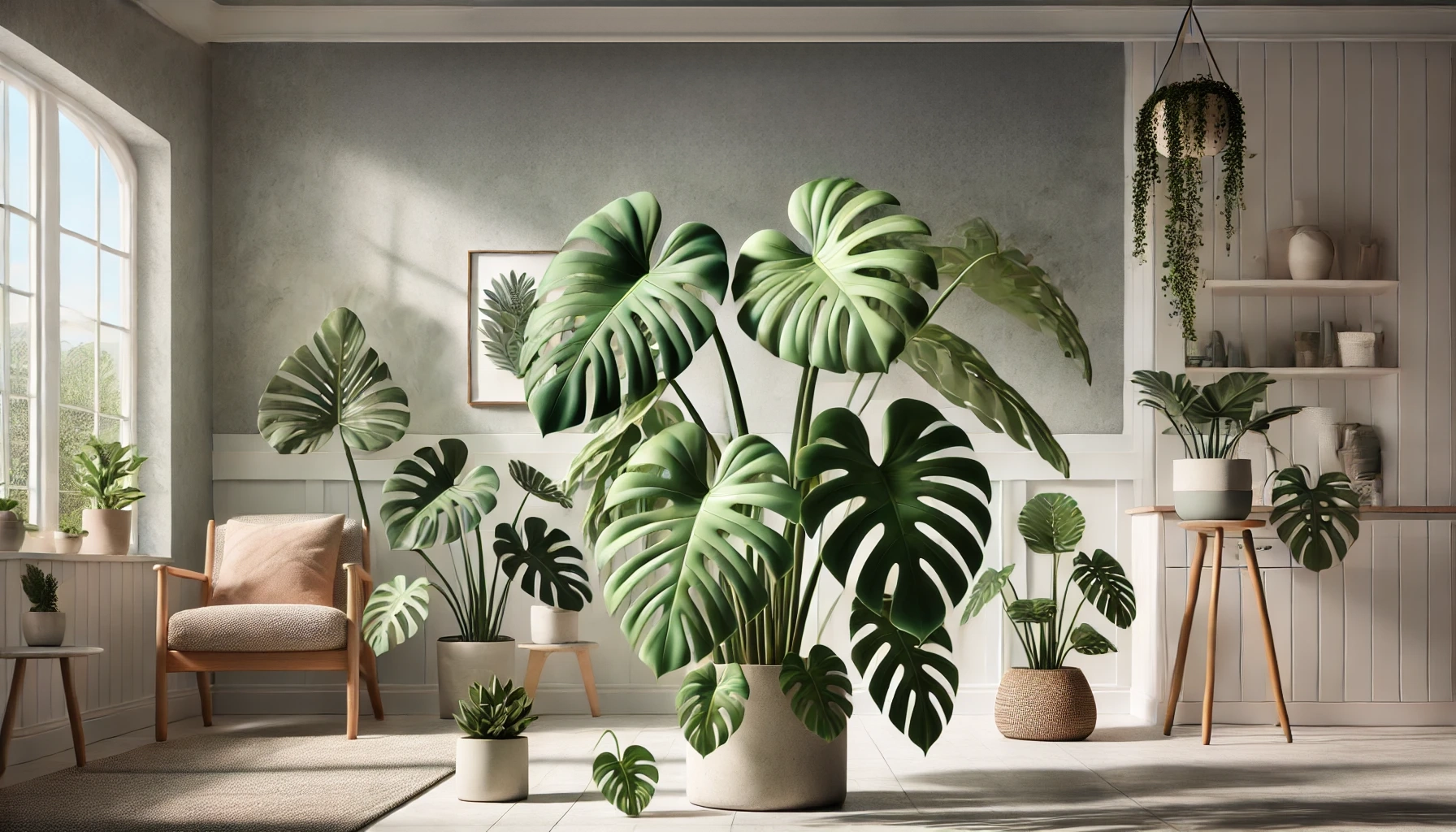
What is Monstera?
Monstera, also known as "lobed-leaf philodendron", is native to tropical rainforests and prefers warm and humid environments. The leaves naturally develop splits as the plant matures, which is where its name comes from. Monstera has strong vitality and is suitable for indoor placement. As long as you master basic maintenance techniques, you can let it thrive in your home.
Monstera cultivation steps
1. Lighting requirements
Monstera prefers indirect light and should be avoided from strong direct sunlight, which may burn the leaves. Place your Monstera in a bright area that's not in direct sunlight, such as near a window or in a well-lit room. If there is insufficient light, the cracks on the leaves may be reduced, affecting the ornamental effect.
2. Soil requirements
Monstera prefers well-drained soil rich in organic matter. You can choose a substrate that is a mixture of peat moss, perlite and leaf mold to ensure that water can penetrate smoothly and prevent the roots from being too wet and causing rot.
3. Watering frequency
Keeping the soil moist but not overwatering is key. More water is needed during the summer growth period. It is recommended to water 1-2 times a week, making sure to water when the soil surface is slightly dry before the next watering. Growth is slower in winter, so watering can be reduced to once every 2-3 weeks. Avoid allowing water to accumulate in the bottom of the pot to prevent root rot.
4. Temperature and humidity
Monstera prefers a warm and humid environment, with the ideal temperature being between 18°C and 30°C. If the indoor temperature is too dry, you can use a sprayer to add moisture to the leaves or place a humidifier to increase the air humidity. The best condition is to keep the humidity at 50%-60%.
5. Fertilization
During the Monstera's growing season (spring and summer), apply a water-soluble fertilizer once a month to promote healthy growth of the plant. Choose a balanced green plant fertilizer with a 20-20-20 ratio or a fertilizer designed for foliage plants. In autumn and winter, growth slows down and fertilization can be reduced or stopped.
6. Pruning and Support
As your Monstera grows, it may need support to help the plant stay upright, especially if it becomes tall. You can use pillars or moss posts to guide the plants up. Regularly trimming any overgrown or browned leaves will help maintain the overall shape and promote the growth of new leaves.
Benefits of Monstera
In addition to being beautiful, Monstera also has air purification functions. It can effectively absorb harmful substances in the air and release oxygen to help improve indoor air quality. Additionally, the natural form of Monstera can create a relaxing, soothing green space, enhancing the healing feel of your home environment.
How to propagate Monstera
The propagation of Monstera is very simple, and cuttings are usually used. Select a healthy stem segment, making sure it contains at least one leaf and aerial roots. Place the stem in water and wait a few weeks for new roots to develop before transplanting it into soil. You can also directly insert the stem segment into moist peat soil or perlite mixed soil, keep it moist, and wait until the new roots are stable before maintaining it normally.
Frequently Asked Questions and Answers
1. How often should I water Monstera?
During the summer growing period, water Monstera 1-2 times a week, and water it when the soil surface is slightly dry. In winter, the growth rate of plants slows down, and the frequency of watering can be reduced to once every 2-3 weeks to avoid water accumulation and root rot.
2. Is Monstera poisonous?
Yes, Monstera leaves and stems contain calcium oxalate crystals, which are mildly toxic to humans and pets. Accidental ingestion may cause oral irritation, swelling and other discomfort. It is recommended to place Monstera out of the reach of pets and children.
3. How fast does Monstera grow?
Monstera has a medium growth rate and usually produces several new leaves each year under the right light and environment. If properly maintained, the height and number of leaves of the plant will gradually increase during the growth period, especially in spring and summer when the growth is faster.
4. What is the soil ratio for Monstera?
Monstera is suitable for planting in well-drained soil. It is recommended to use a substrate mixed with peat soil, perlite and leaf mold. Generally speaking, the ratio of 50% peat soil, 30% perlite and 20% leaf mold is an ideal choice, which can ensure good drainage and moisture retention.
5. Why is the Monstera drooping?
If your Monstera leaves droop or look "droopy," it could be due to over- or under-watering, insufficient light, or root problems. First check the soil moisture to make sure it is not too wet or too dry; also, confirm that the plant is getting enough light. If these factors are normal, you may need to check the root health and whether there is any stagnant water causing root rot.
6. How to divide Monstera?
Division is a good way to propagate Monstera, and is usually best done in spring or early summer. Remove the Monstera from its pot and carefully separate the roots into sections. Each section should contain at least one leaf and intact roots. Plant the separated plants in new pots and continue to water and care as normal.
7. Why are my Monstera leaves turning yellow?
Yellowing leaves may be due to overwatering or insufficient light. Check the soil to see if it's too wet and adjust watering frequency. Also, make sure your Monstera gets enough indirect light.
8. Why are there no cracks on the leaves of Monstera?
The lack of rifts in the leaves may be due to insufficient light or the plant is not yet mature. Make sure your Monstera is in a bright environment and be patient as the plant grows; the leaves will naturally split as it matures.
9. Can Monstera be placed outdoors?
If your area has moderate temperatures and it is not exposed to strong sunlight, the Monstera can be placed outdoors for short periods of time. Remember to avoid cold and hot sun, and move it back indoors in time.
Conclusion
Growing Monstera not only adds greenery to your home, but also creates a relaxing, healing living space. As long as you master the correct lighting, watering and fertilization methods, and regularly prune and support the Monstera, it will thrive and become a unique green embellishment in your home. I hope this Monstera cultivation guide can help you get started easily and enjoy the natural beauty brought by Monstera!